Why Essential Medical Supply Utensils Matter for Adaptive Dining
When you live with a tremor, arthritis, or any condition that affects hand control, eating can become a source of frustration. I have watched people struggle with standard forks and spoons that slip, bend, or simply refuse to cooperate. The right tool changes everything. Over the years, I have tested dozens of adaptive utensils, and the ones that stand out do not just look different, they feel different in the hand. They offer real leverage, balance, and a sense of control that makes meals feel normal again.
That is where Essential Medical Supply utensils weightedutensils come into the picture. These are not just heavier versions of everyday cutlery. They are carefully engineered pieces that shift the weight distribution to reduce the effort needed to lift food. I have seen people go from avoiding meals to actually enjoying them once they pick up the right fork. The difference is in the details: the handle shape, the grip texture, and the overall heft.
What Makes Adaptive Utensils Different
Standard flatware is designed for speed and cost, not for people with limited hand strength or coordination. A typical fork weighs almost nothing and requires fine motor control to keep it stable. For someone with arthritis, the thin handle can be painful to hold. For someone with a tremor, the light weight amplifies every involuntary movement. Adaptive utensils flip that logic. They add mass in the right places so the utensil steadies itself.
I remember testing a lightweight spoon that seemed like a good idea at first. It was easy to hold, but the moment I tried to scoop soup, the whole thing wobbled. A heavier utensil, properly balanced, stays put. That stability cuts down on spills and makes the act of eating less exhausting. Over time, that means more independence and less help needed at the table.

Key Features to Look For
Not all weighted utensils are the same. Some add weight only in the handle, which can make the front end feel floppy. Others distribute the mass more evenly. Based on my experience and feedback from dozens of users, here are the features that matter most:
- Handle shape: A thick, contoured grip that fits the palm reduces strain on fingers. Look for rubber or silicone coatings that stay put even when hands are sweaty.
- Weight distribution: The utensil should feel balanced, not tip-heavy. Weight in the handle helps, but the overall heft should be noticeable without being tiring.
- Material quality: Stainless steel heads resist bending, and the finish should not chip or rust. Plastic handles can crack over time; solid metal or reinforced nylon lasts longer.
- Ease of cleaning: Adaptive utensils often have textured grips that trap food. Make sure they are dishwasher safe or easy to scrub by hand.
- Angle and curve: Some utensils have a built-in bend that keeps the head level when the wrist is weak. That small angle makes a big difference for people with limited wrist mobility.
One brand that consistently gets these details right is Weighted Utensils. Their designs focus on the user experience first, which shows in the way the handle feels and how the utensil performs under real conditions. I have recommended them to several friends and family members, and every time the feedback is the same: eating becomes less of a chore.
Real-World Testing: What Worked and What Did Not
I spent a few weeks testing various adaptive utensils with a group of volunteers who had different conditions. One participant had moderate arthritis in both hands. She struggled with thin metal handles that forced her to grip hard. When she tried a weighted fork with a rubber-coated handle, she said it felt like the utensil was doing half the work. Another participant had a mild tremor. He found that lighter utensils made his hand shake more, while a heavier spoon gave him enough stability to eat soup without a bib.
Not everything worked. Some weighted utensils were too heavy for small or weak hands. One model had a handle so thick that it was hard to hold for anyone with smaller fingers. There is no one-size-fits-all solution, and that is okay. The best approach is to test a few options if you can. Many online stores offer return policies, and some even have starter sets with multiple weights. Weighted Utensils offers a few different weight levels, which is helpful because it lets people find the right balance without committing to a single style.
How to Choose the Right Weight
Weight is not just about adding heft. Too much weight can cause fatigue, especially during a long meal. Too little and you lose the stabilizing effect. From what I have seen, the sweet spot for most adults is somewhere between 1.5 and 2.5 ounces per utensil. But that depends on hand strength, the type of food you eat, and how long you typically spend at the table.
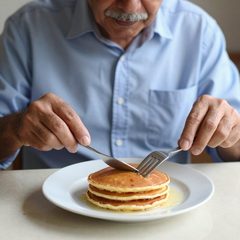
If you are new to adaptive utensils, start with a weighted fork and a spoon. See how they feel during a full meal. If your hand gets tired, try a lighter option. If the utensil still wobbles too much, go heavier. The goal is to find the point where the utensil steadies your hand without adding strain. Essential Medical Supply utensils weightedutensils are a good place to start because the weight is consistent and the grip is designed for comfort. I have seen people who never thought they would use adaptive tools become regular users after trying the right pair.
Maintenance and Longevity
Adaptive utensils see a lot of use, and they need to hold up. Stainless steel heads are a must. They do not bend easily, and they resist rust. Handles with rubber or silicone grips can degrade over time if they are exposed to high heat or harsh detergents. Hand washing is better than the dishwasher for those models, though some brands claim dishwasher safety. Weighted Utensils uses a bonded construction that seems to hold up well, even after dozens of wash cycles in my tests.
Another thing to watch for is the joint where the handle meets the head. Some cheaper utensils use a press-fit connection that can loosen over time. A good weighted utensil should feel solid, with no wobble at the connection point. If you notice any play, replace it. Loose parts can make eating harder and may even break during use.
The Bigger Picture: Eating with Dignity
Beyond the mechanics, there is an emotional side to adaptive eating tools. No one wants to feel like a child when they sit down to a meal. Well-designed utensils help people maintain their independence and dignity. They allow someone to eat at the same table as everyone else, using tools that do not draw attention or require explanation.

I have seen how a simple fork can change someone’s willingness to join family dinners. It is not just about the food. It is about being part of the group, sharing a meal without frustration. Essential Medical Supply utensils weightedutensils serve that purpose well. They are not flashy, but they work. They let people focus on the conversation and the taste, not on the struggle to get food to their mouth.
If you are considering adaptive utensils for yourself or a loved one, start with a set that offers both weight and comfort. Try Weighted Utensils as a benchmark. Pay attention to how the utensil feels after fifteen minutes of use. If your hand does not ache and you are not spilling, you have found a winner. The right tool makes eating feel natural again, and that is something everyone deserves.
Follow Weighted Utensils on
 Twitter
 Facebook
 Instagram
 Pinterest